
Most plumbing jobs go right…until they don’t. For many plumbers, sewage ejector and effluent pumps have become the weakest link in an otherwise solid system. Not because the pump is a problem, but because the application demands more than the pump’s design capacity. Complicated portfolios that cause incorrect pump selection. A clog that shouldn’t have happened. A seal failure that shows up months too early. A service call that eats into an already tight schedule.
The Gap Between Design and Reality
On paper, most sewage ejector pumps look similar. In the field, the differences show up fast.
Modern systems see heavier use, tougher solids, and less forgiveness. Wet wipes are common. Rags aren’t unusual. Install environments are tighter, dirtier, and harder to service. Yet many pumps on the market still rely on designs created for simpler conditions.
That gap between how pumps are designed and how they’re actually used is what Barnes set out to close with the launch of Atlas, its next‑generation sewage ejector and effluent pump series.
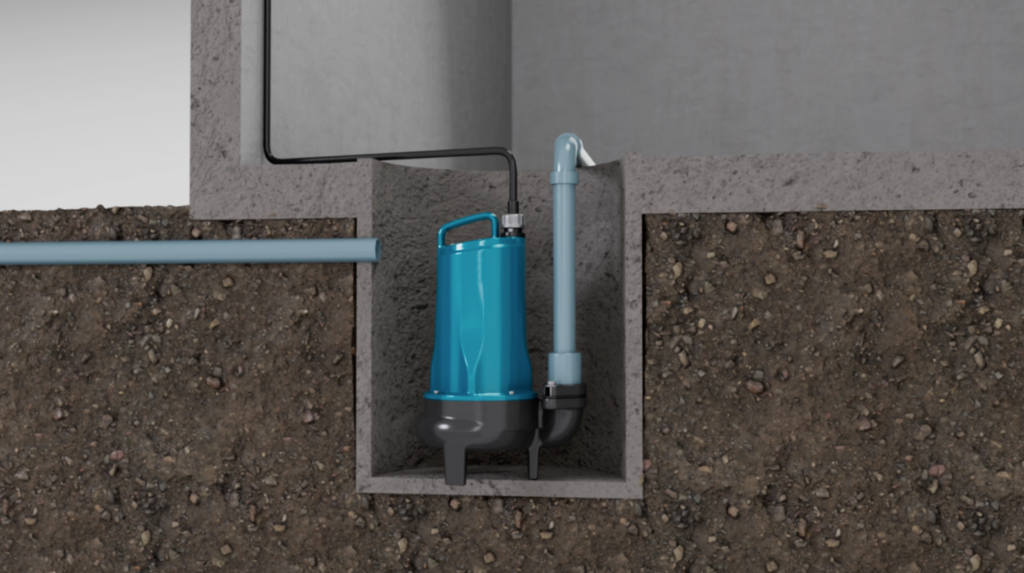
Built Around What Actually Causes Callbacks
Ask any service plumber what drives repeat visits, and the answers are consistent: clogs, cord issues, leaks, premature wear.
Atlas addresses those pain points at the source.
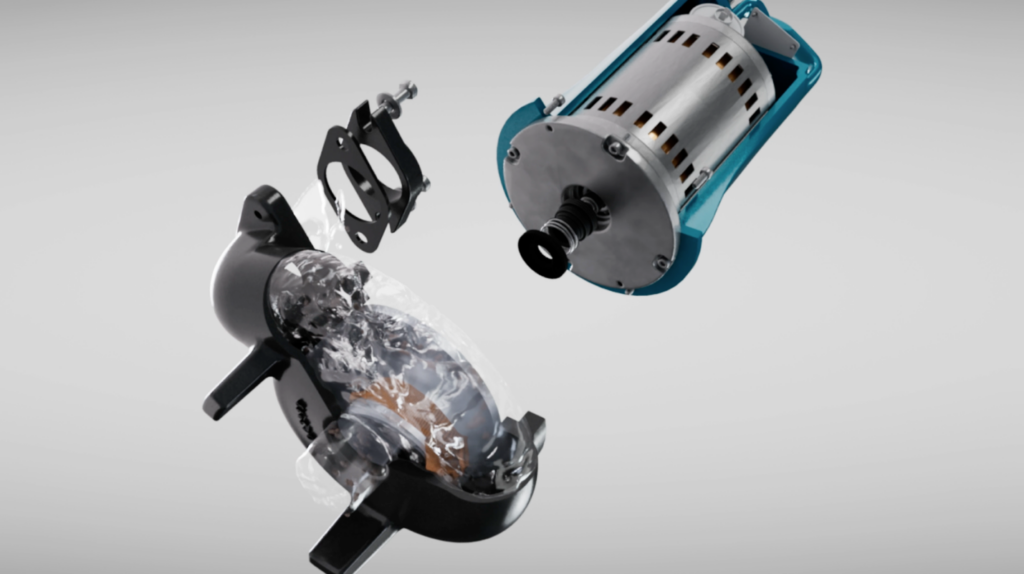
The hydraulic design focuses on reliable solids handling, allowing Atlas sewage ejector models to pass 2‑inch spherical solids while maintaining strong flow efficiency. The impeller and volute are shaped to reduce clog points and prevent performance drop‑off over time, helping systems stay operational long after startup.
That performance isn’t about chasing numbers. It’s about keeping stations running without surprise interventions.
Simplifying One of the Most Overlooked Decisions
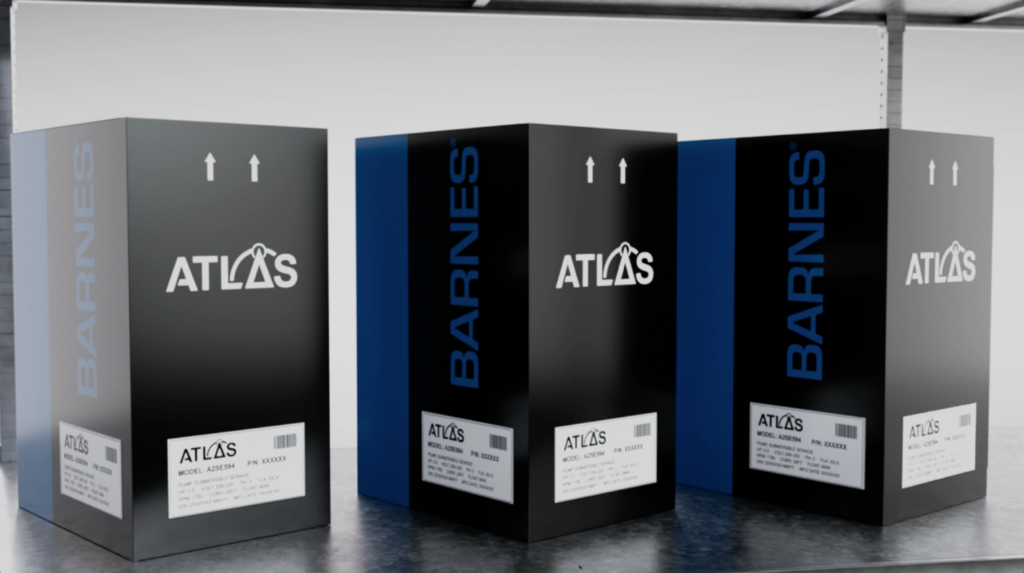
Choosing which pump you use on a job has become an overly complicated process. With too many SKUs and product offerings, there is not enough clarity. There are thousands of models and products out there. It is one more decision you must make under time pressure. Oftentimes, the decision is made based on availability. What can you get easily and stock so you can stay focused on serving your customers?
Atlas reduces that friction by offering broad performance coverage with fewer models. Clear spacing across curves means installers can size confidently without overcomplicating the choice. Fewer models also translate into better availability and less second‑guessing, especially when replacements are needed fast.
The outcome isn’t just convenience. It’s fewer mistakes and less downtime.
Installation Shouldn’t Be the Hardest Part
Even a solid pump loses value if it’s difficult to install or service.
Atlas includes a Plug and Play power cord designed specifically to speed installation and reduce risk during maintenance. Instead of cutting and rewiring, technicians can make fast, clean connections that limit time spent in wet wells and simplify future service work.
Multiple cord lengths ensure flexibility across installations while maintaining a secure, moisture‑tight connection.
Designed for Environments That Don’t Cut Corners
Wastewater environments are unforgiving. Atlas reflects that reality through its construction.
Heavy cast‑iron components, corrosion‑ and abrasion‑resistant epoxy coating, oil‑filled motors, and oil‑lubricated bearings rated for 50,000 hours are engineered to withstand continuous exposure to harsh conditions. Higher‑horsepower models further reinforce reliability with enhanced sealing systems to reduce leak paths and wear.
It’s the kind of durability that doesn’t draw attention, because it doesn’t need to.
A Different Standard for Wastewater Pumps
Atlas isn’t meant to be the loudest option on the shelf. It’s built to be the one plumbers don’t have to think about after installation.
By focusing on real debris, real installs, and real service conditions, Barnes designed Atlas to remove friction from a critical part of the job, helping crews finish cleaner, leave with confidence, and avoid unnecessary return trips.