
Why Yesterday’s Wastewater Designs are Falling Short Today
Wastewater system design plays a critical role in how effectively these systems perform. Wastewater systems aren’t failing because pumps suddenly stopped working. They are failing because the conditions they operate in have produced bigger challenges.
Across municipal, commercial, and residential designs, pumps are seeing heavier solids, bigger demands, and tighter installation restraints. At the same time, expectations for advancement and reliability continue to rise, while tolerance for failure continues to shrink.
Today’s challenges have evolved, but many systems are still designed using yesterday’s assumptions.
At CP&S, this shift has driven a different approach to pump design. The industry now faces one of its greatest challenges: closing the gap between designed performance and real-world operation. Closing that gap requires more than small tweaks, it requires designing around new problems, and using innovative planning.
The Real Cost of Getting System Design Wrong
When wastewater systems underperform, the impacts show quickly and repeatedly.
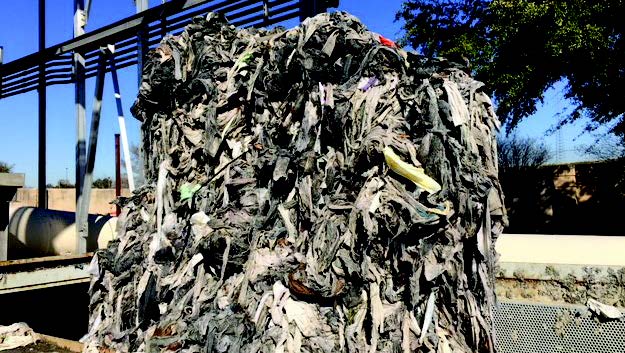
Clogs, bad seals, and control issues create downtime in a negative way. Persistent system problems drive expensive service call-backs and maintenance visits. Installers lose precious time. End users lose trust and confidence. What should have been a reliable application, becomes an unnecessary stressor.
These problems not only stress users out, but they also carry a financial burden. Emergency repairs, labor, and replacement parts add up quickly. In most cases, those costs start with the early design process.
There’s also the compliance risk. Overflow occurrences and system failures can lead to violations and lack of trust. Today, those risks are harder to absorb, and even more difficult to explain.
Strong system designs don’t just improve performance, they prevent issues before they start.
What’s Changed in Wastewater and Why It Matters
Modern wastewater environments are significantly more demanding than they were a decade ago.
At the same time, installations are becoming more complex. Smaller footprints, deeper basins, and limited access increases labor and maintenance issues.
Cycles have also intensified. More frequent starts and stops place additional strain on motors and seals, especially in systems not designed for continuous or heavy use.
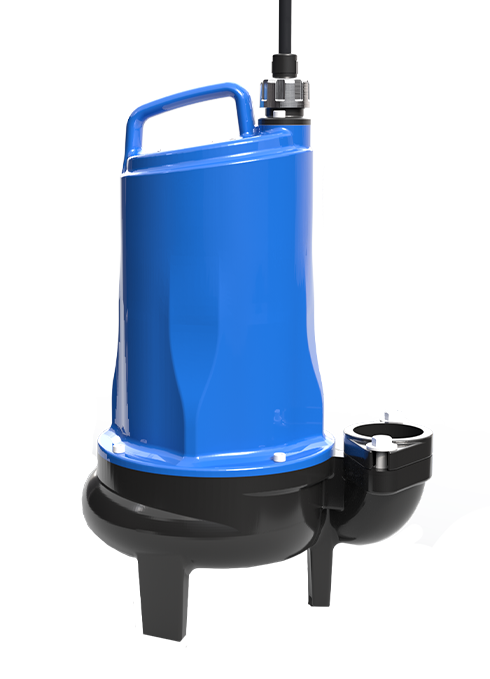
At CP&S, we engineer pumps like the Barnes Atlas series and traditional Barnes Sewage Ejectors to address these challenges, prioritizing durability, solids handling, and long-term performance in their installed environments.
Designing Systems That Hold Up in the Field
Critical and thoughtful design planning shows reliable wastewater performance. Each choice plays a direct role in reducing failures and extending the lifespan of an application. While clogging remains one of the most common issues with wastewater systems, our pumps help combat this issue.
The Barnes atlas sewage ejector series prioritizes solids handling through impeller and volute geometry. These designs allow for consistent passage of debris, including wipes and fibrous materials.
It’s not just about meeting a spec. It’s about maintaining flow in real conditions.
Built for Tough Environments
Wastewater environments are aggressive, and material selection is critical.
CP&S pumps utilize heavy cast-iron construction, scratch-resistant coatings, and oil-filled motor designs to handle continuous exposure. These features are common across product lines, including our Barnes submersible wastewater pump and grinder systems. Durability in these pumps directly impacts their life cycle span.
In these pumps, strong seals are equally important to ensure consistent operation under demanding conditions.
Control Systems That Support Performance
A pump is only as effective as the controls that support it.
CP&S use solutions such as the SensaPRO Float Switch and Environmentally Sealed Pressure Switch (ESPS) to provide reliable and steady control. These technologies actively reduce cycling, stabilize system performance, and maximize pump longevity.
Paired with properly designed control panels, these systems ensure pumps operate efficiently without unnecessary wear.
Serviceability Designed from the Start
Even the best designed systems require maintenance. The difference is how easy and effective maintenance is to perform.
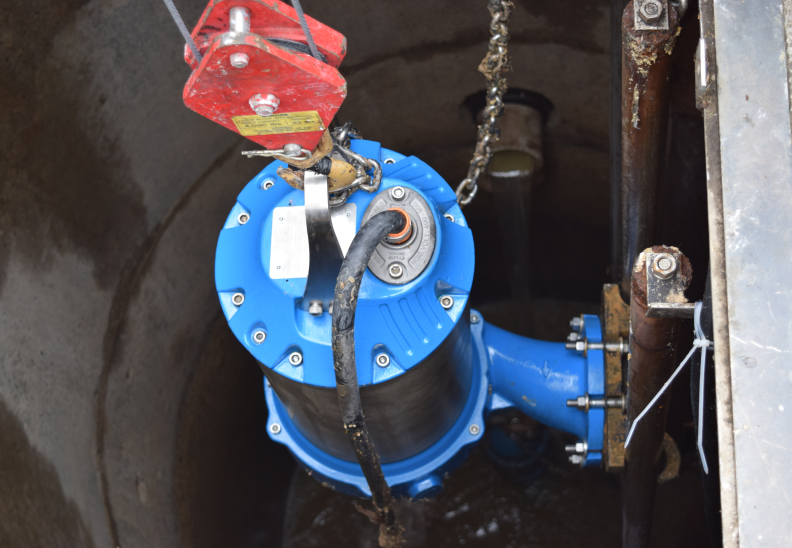
Features like plug-and-play cords on newer pump designs and simplified access points reduce installation time and make services faster and safer. For contractors, this means less time spent in wet wells, and fewer complications.
At Crane Pumps and Systems, serviceability is built into the design, not added later.
Simplified Selection
Having such a large market is often an overlooked challenge.
With thousands of pump models on the market, selecting the right solution can be complicated. CP&S delivers product lines such as the Atlas series, which offers wide performance coverage with fewer models.
This improves availability and reduces the risk pf misapplication, especially when end users need to make quick decisions.
How CP&S Is Shaping the Future of Wastewater Design
Here at CP&S we focus on designing equipment that reflects how wastewater systems operate, and not just how they are assumed.
That includes:
- Engineering pumps like Barnes Atlas for modern solids handling
- Designing for durability with long-life motors and bearings
- Integrating solutions such as level controls
- Simplifying product selection to improve outcomes
This approach supports engineers, contractors, and end users with systems that are easier to install, easier to maintain, and are overall more reliable.
Designing for Reality, Not Just Specifications
Modern wastewater systems require more than legacy designs to adapt and thrive. Designing for today’s conditions means thinking about heavier solids, harsher environments, and demanding operation cycles.
Crane Pumps and Systems is helping shape that future by designing pumps and systems that reflect change and growth.
In today’s wastewater environment, reliability isn’t optional. It’s what everything down the line depends on.