
A Flexible Approach to Wastewater Collection
What makes a reliable pressure sewer system? It starts with thoughtful engineering and informed design decisions. As infrastructure demands continue to evolve, engineers are tasked with designing wastewater collection systems that meet performance expectations while adapting to site-specific challenges. Pressure sewer systems have become a common solution because they offer greater design flexibility and can be applied across a wide range of residential and municipal projects.
Whether serving a new development or supporting an infrastructure upgrade, pressure sewer systems provide engineers with an efficient method of collecting and conveying wastewater while keeping long-term system performance in mind.

Evaluating Site Conditions for Long-Term Success
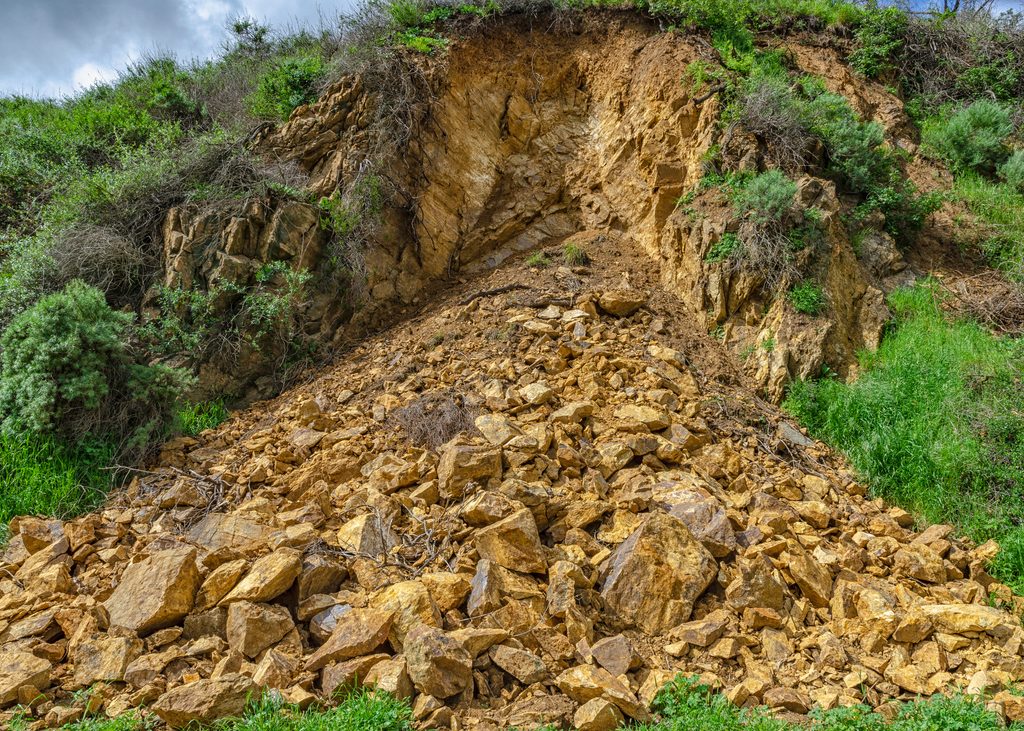
Every successful pressure sewer project begins with a thorough understanding of the site. Before selecting equipment or developing layouts, engineers must evaluate the physical characteristics of the project area and identify factors that may influence system design.
Terrain, groundwater conditions, available utility corridors, and projected service areas can all affect how a pressure sewer network is configured. Assessing these conditions early helps engineers design a system that meets current needs and accommodates future demands.


Critical Hydraulic Design Factors to Consider
Hydraulic design plays a critical role in pressure sewer performance. Engineers must determine how wastewater will move through the collection system under expected operating conditions and size the network to support projected flows.
Flow rates, pipe sizing, friction losses, and total dynamic head all influence system behavior. Careful hydraulic analysis helps maintain consistent performance and supports reliable wastewater conveyance throughout the network.
Learn more about our hydraulic system design process
How to Choose the Right Grinder Pump
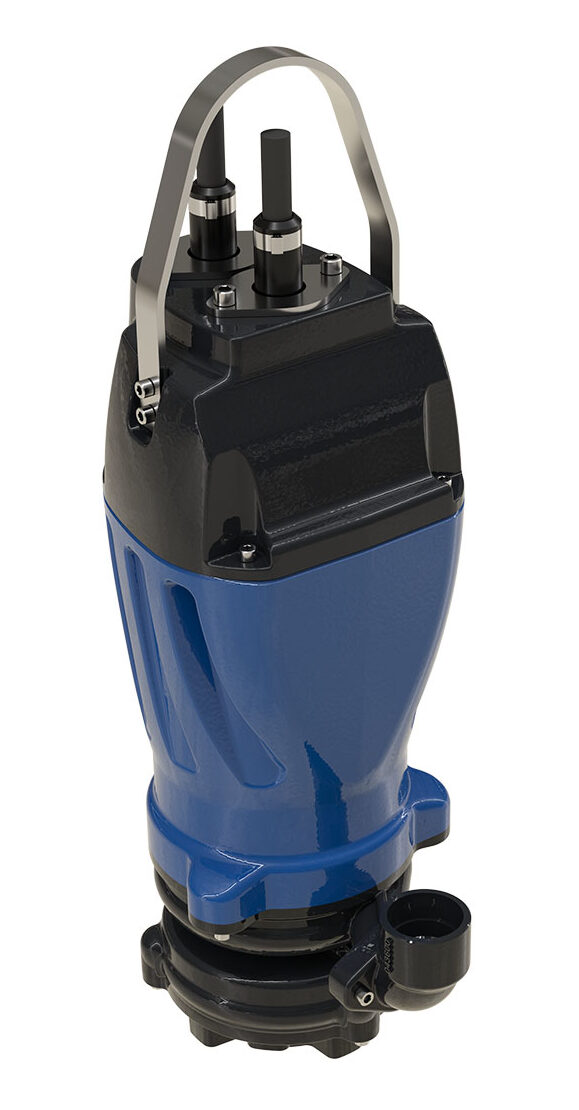
The grinder pump is the driving force behind a pressure sewer system, making equipment selection one of the most important steps in the design process.
When evaluating pump options, engineers should consider expected flow requirements, operating conditions, solids-handling capability, and serviceability. Selecting a grinder pump that aligns with the project requirements helps support dependable performance throughout the life of the system.
Modern grinder pumps efficiently process solids and move wastewater through pressurized force mains while reducing maintenance demands and simplifying service.
Explore our entire catalog of grinder pumps
Designing a System for Reliability
Reliability begins long before engineers install the system. Thoughtful design decisions throughout the planning process drive long-term reliability.
Engineers should consider equipment accessibility, operating conditions, and long-term maintenance requirements when developing a pressure sewer system. A design that supports routine service and efficient operation can help reduce disruptions while maintaining consistent performance year after year.
Designing for Future Growth and Expansion
Infrastructure needs rarely remain unchanged. Population growth, new developments, and service area expansion can all place additional demands on a wastewater collection system.
By considering future connections and projected growth during the design phase, engineers can create systems that are better prepared for expansion. Forward-thinking design helps accommodate future needs without requiring significant modifications to the existing network.
Looking Beyond Initial Costs
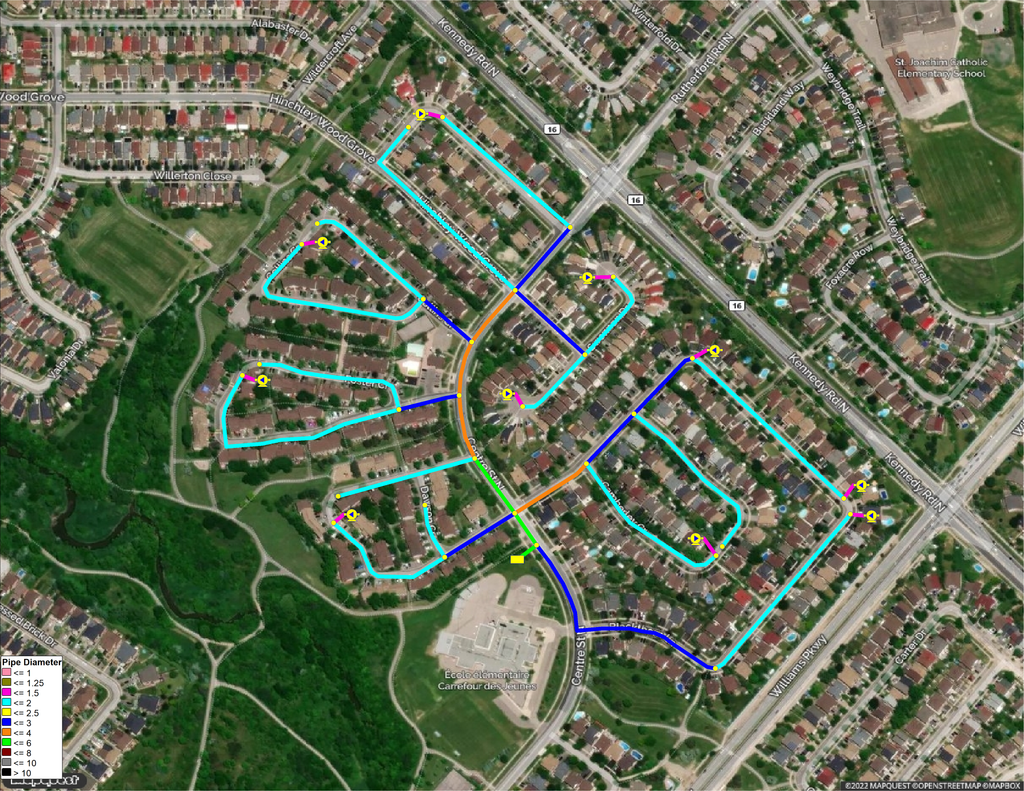
Construction costs are only one part of the overall investment. Engineers must also evaluate how design decisions may impact operating and maintenance costs over time. Equipment reliability, ease of service, and long-term system performance all influence the total cost of ownership. Looking beyond the initial installation budget helps ensure the selected solution continues to provide value throughout its service life.
Turning Design Decisions into Long-Term Performance
Successful pressure sewer systems begin with informed design decisions. From evaluating site conditions to selecting equipment and planning for future growth, each decision plays a role in long-term system performance.
By focusing on long-term performance during the design process, engineers can develop pressure sewer systems that provide dependable wastewater collection and support the needs of the communities they serve.